The Role of Live Music in the Entertainment Industry
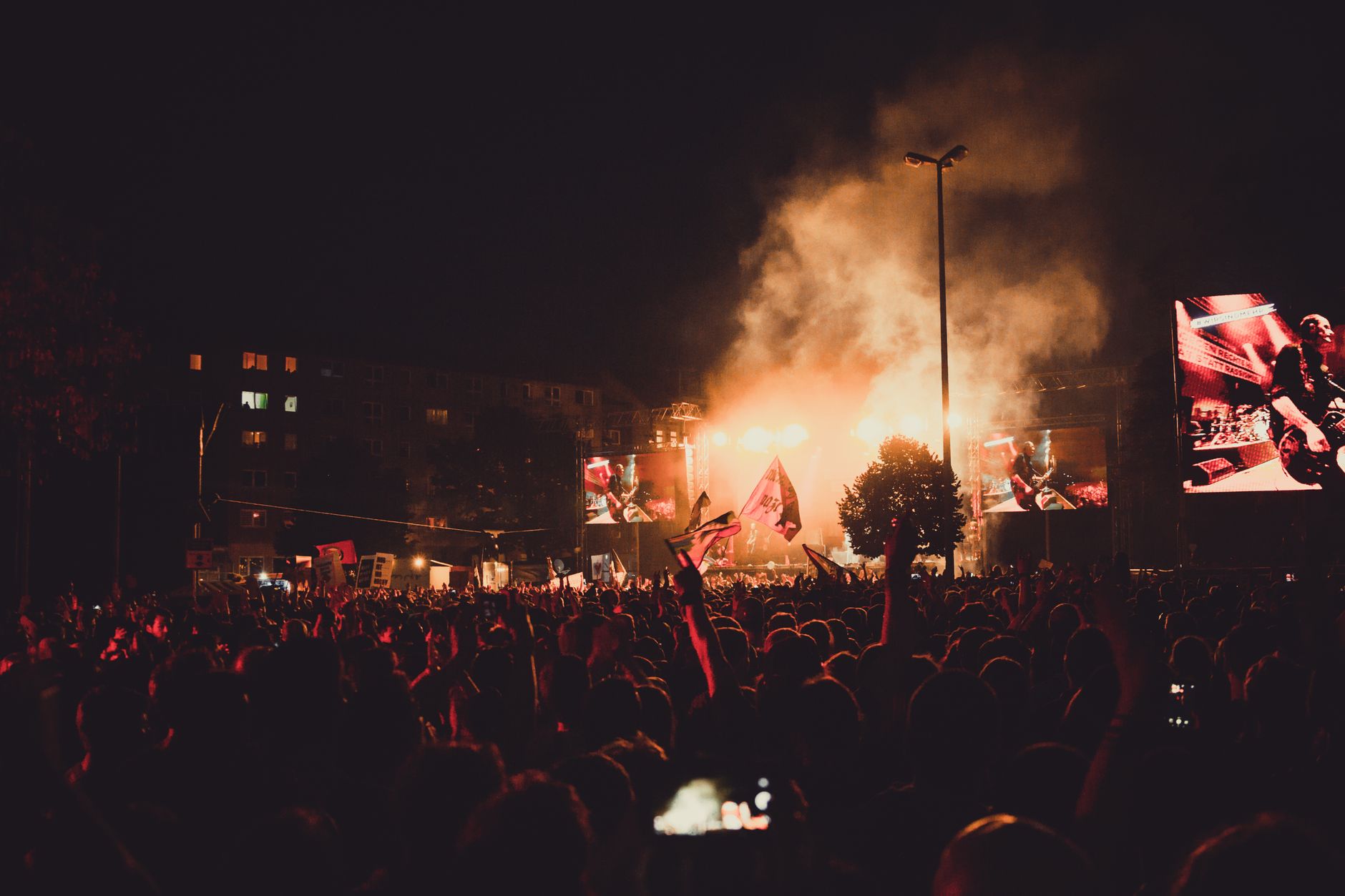
Live music has always been a vibrant part of the entertainment industry, bringing audiences together in shared experiences. From intimate venues to large festivals, live performances create a unique atmosphere that recorded music simply cannot replicate.
The Connection Between Artists and Audiences
One of the most significant roles of live music is the connection it fosters between artists and their audiences. During a live performance, musicians can engage with fans in real-time, creating emotional bonds that enhance the overall experience.
The Energy of Live Performances
Live music events often feature an energy that is palpable. This energy comes from the audience's reactions, the spontaneity of performances, and the unique interpretations artists bring to their songs. These elements contribute to a memorable night that resonates long after the last note has been played.
Economic Impact of Live Music
The live music sector has a significant impact on the economy. Concerts and festivals generate revenue not only for the artists but also for local businesses, including hotels, restaurants, and transportation services. This ripple effect supports jobs and stimulates local economies.
Challenges in the Industry
Despite its importance, the live music industry faces challenges, including competition from digital streaming and the impact of events like the COVID-19 pandemic. Many venues have struggled to stay afloat, highlighting the need for support and innovation in the sector.
Conclusion
In conclusion, live music plays a crucial role in the entertainment industry by creating connections, driving economic growth, and providing unforgettable experiences. As we move forward, it is essential to support and nurture this vibrant aspect of culture.